
If your dentist has recommended a root canal, it’s natural to feel a bit anxious. Root canal treatment has a reputation for being painful, but with modern techniques and the right specialist, the procedure is far more comfortable than most people expect. If you’re searching for a root canal specialist in Jalandhar, understanding what the treatment actually involves can help ease your worries and prepare you for a smooth recovery.
This guide walks you through everything you need to know — from the signs that you might need a root canal, to what happens during the procedure, to how to choose the right specialist for your treatment.
What Is a Root Canal, and Why Might You Need One?
A root canal (also called endodontic therapy) is a procedure used to treat infection or damage inside the soft tissue at the center of a tooth, known as the pulp. The pulp contains nerves and blood vessels, and when it becomes inflamed or infected — usually due to deep decay, repeated dental work, a cracked tooth, or trauma — it can cause significant pain and, if left untreated, lead to an abscess or tooth loss.
Common signs that you may need to see a root canal specialist include:
- Persistent or throbbing tooth pain, especially when chewing
- Sensitivity to hot or cold that lingers long after the stimulus is removed
- Swelling or tenderness in the gums near a specific tooth
- A small, pimple-like bump on the gums
- Discoloration or darkening of a tooth
- Pain that wakes you up at night
If you notice any of these symptoms, it’s best to consult an experienced root canal specialist in Jalandhar promptly, since early treatment usually means a simpler procedure and a better outcome for the tooth.
Root Canal Specialist vs. General Dentist
While many general dentists perform routine root canals, more complex cases — such as teeth with unusual root anatomy, previously failed root canal treatments, or infections that haven’t responded to standard care — are often best handled by an endodontist, a dentist with additional specialized training in treating the internal structures of the tooth.
A root canal specialist typically has access to advanced diagnostic tools, such as digital imaging and dental operating microscopes, which allow for more precise treatment and higher success rates. If your case is complicated, or if you’ve had a difficult experience with dental treatment in the past, seeking out a specialist rather than a general practitioner can make a real difference in comfort and outcome.
What Happens During a Root Canal Procedure
Understanding the step-by-step process can go a long way in reducing anxiety. Here’s what you can typically expect when visiting a root canal specialist:
1. Diagnosis and X-Ray
The specialist will first examine the affected tooth and take an X-ray to assess the extent of infection and understand the shape of the root canals.
2. Local Anesthesia
Before the procedure begins, the area around the tooth is numbed with local anesthesia. This is the step that eliminates the pain most people associate with root canals — once numb, the treatment itself is generally no more uncomfortable than getting a filling.
3. Removing the Infected Pulp
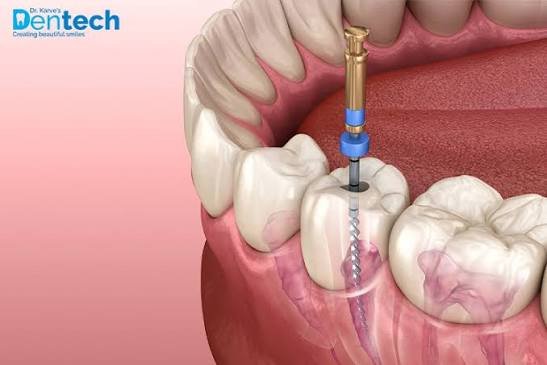
A small opening is made in the crown of the tooth, and the infected or damaged pulp tissue is carefully removed using fine instruments.
4. Cleaning and Shaping the Canals
The empty root canals are cleaned, disinfected, and shaped to prepare them for filling. This step is crucial in eliminating bacteria and preventing future infection.
5. Filling the Canals
The cleaned canals are filled with a biocompatible material (commonly gutta-percha) and sealed to prevent recontamination.
6. Restoring the Tooth
Since a tooth that has undergone a root canal can become more brittle over time, it’s usually restored with a filling or, more commonly, a dental crown to protect it and restore full chewing function.
Most root canal procedures take one to two visits, depending on the complexity of the case and the number of canals involved.
Is a Root Canal Painful?
This is the question on most patients’ minds. The truth is that a root canal is designed to relieve pain, not cause it. The discomfort people associate with root canals actually comes from the infection itself — the procedure is what makes that pain go away. With modern anesthesia and techniques, most patients report that the experience is comparable to having a cavity filled.
Some mild soreness or sensitivity in the days following treatment is normal and can usually be managed with over-the-counter pain relief, as advised by your specialist.
What to Expect After Treatment
Recovery from a root canal is typically quick and straightforward:
- Mild sensitivity around the treated tooth for a few days is common.
- Avoid chewing on the treated side until a permanent filling or crown is placed.
- Follow your specialist’s instructions regarding medication, oral hygiene, and follow-up visits.
- Get a permanent crown or filling placed as recommended, since delaying this can leave the tooth vulnerable to fracture.
With proper care, a root canal-treated tooth can last a lifetime, functioning just like any other natural tooth.
Choosing the Right Root Canal Specialist in Jalandhar
When selecting a specialist for your root canal treatment, consider the following factors:
- Experience and qualifications: Look for a dentist with specific training in endodontics and a strong track record of successful procedures.
- Technology used: Clinics equipped with digital X-rays, rotary endodontic instruments, and apex locators tend to offer more precise and efficient treatment.
- Sterilization and hygiene standards: A clean, well-maintained clinic reduces the risk of complications.
- Patient reviews and reputation: Feedback from previous patients can offer insight into the specialist’s chairside manner and quality of care.
- Clear communication: A good specialist will explain your diagnosis, treatment options, and costs upfront, so you know exactly what to expect.
Jalandhar is home to several well-equipped dental clinics offering root canal treatment, so take the time to research and, if possible, schedule a consultation before committing to treatment.
Final Thoughts
A root canal doesn’t have to be a source of dread. With the right root canal specialist in Jalandhar, the procedure is a routine, effective way to save a damaged tooth and eliminate pain caused by infection. If you’re experiencing symptoms like persistent tooth pain, sensitivity, or swelling, don’t wait — early diagnosis and treatment lead to better outcomes and a more comfortable experience overall.
Book a consultation with a qualified root canal specialist in Jalandhar today to get an accurate diagnosis and a personalized treatment plan for your dental health.
Leave a Reply